
Logistics Software Development Company Nigeria — What to Look For in 2026
Daniel Lucky · Founder, Succeed HQ Innovations · 2026
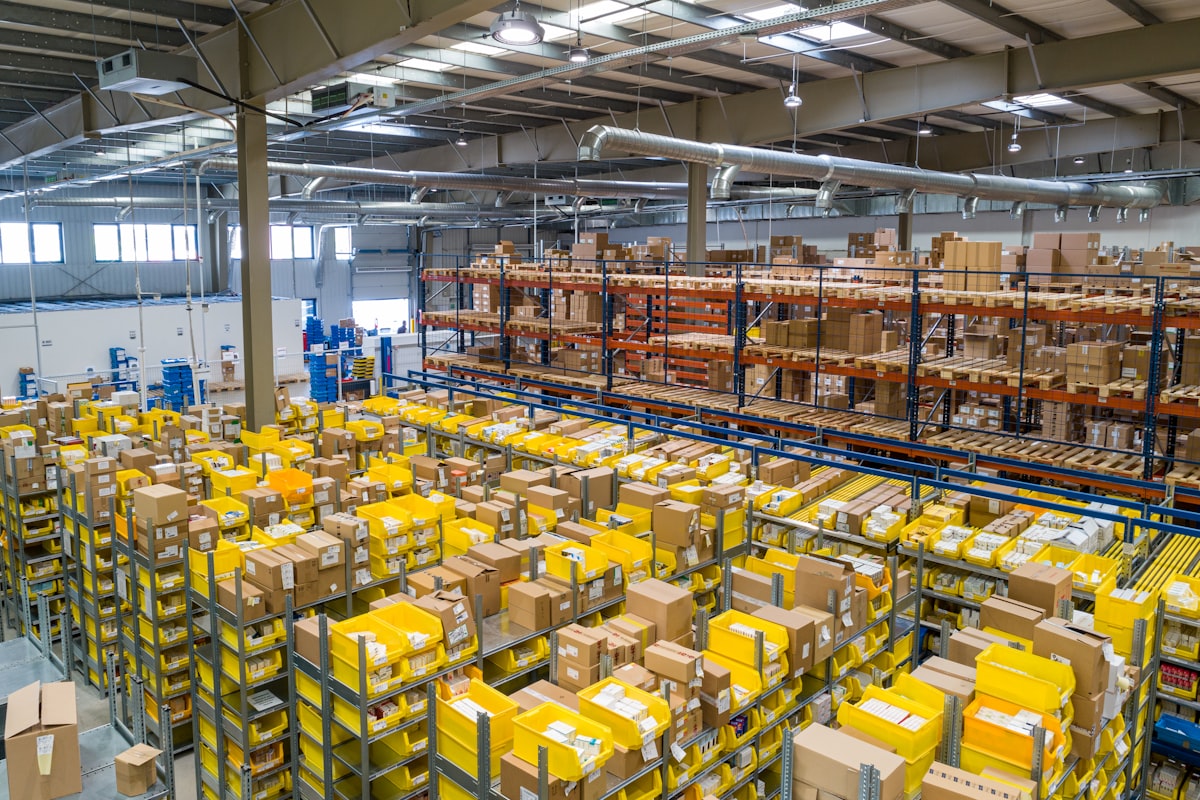
The logistics sector in Nigeria is the backbone of the economy, yet it remains one of the most operationally challenging. In 2026, the rise of e-commerce and the expansion of the African Continental Free Trade Area (AfCFTA) have made logistics efficiency a critical competitive advantage. However, manual tracking, warehouse leakage, and fragmented communication still plague many firms. This is where high-performance logistics software comes in.
The Challenges of Nigerian Logistics
Building logistics tech for Nigeria isn't just about writing code; it's about solving real-world infrastructure problems. A software solution that works in London will fail in Lagos if it doesn't account for erratic GPS signals, traffic congestion patterns, and the need for offline-first mobile apps for drivers. In 2026, the best logistics companies are those that have digitized their entire value chain.
Key Features of Modern Logistics Software
If you are looking for a development partner in Nigeria, they must be able to deliver these critical modules:
- Real-Time Fleet Tracking: Beyond just seeing a dot on a map. You need telematics, fuel monitoring, and driver behavior analytics to reduce costs and improve safety.
- Dynamic Route Optimization: In a city like Lagos, static routes are useless. Your software must integrate with real-time traffic data (Google Maps API / Mapbox) to suggest the fastest delivery paths.
- Last-Mile Delivery Apps: The final leg of the journey is often the most expensive. High-quality delivery apps for riders must include proof of delivery (digital signatures/photos) and instant payment reconciliation.
- Warehouse Management Systems (WMS): Automated inventory tracking that integrates with your sales platforms to prevent stock-outs and reduce manual errors.
Integrating with the Ecosystem
In 2026, no logistics platform is an island. Your software must communicate with other systems. This includes integrations with e-commerce platforms (Shopify, WooCommerce), payment gateways for cash-on-delivery reconciliation, and even third-party logistics (3PL) aggregators like Kobo360 or GIG Logistics APIs for load sharing.
API Mastery: The Succeed HQ Advantage
At Succeed HQ Innovations, we specialize in building interconnected logistics systems. We understand that a delivery app is only as good as the data it receives from the warehouse and the notifications it sends to the customer. Our engineering team has extensive experience in building robust APIs that ensure 100% data integrity even across weak network connections.
Cost vs. ROI: Investing in Logistics Tech
While the initial investment in custom logistics software can range from ₦2M to ₦10M+ depending on complexity, the ROI is usually achieved within 12-18 months through:
- Reduced Operational Costs: Better routing leads to lower fuel consumption and less vehicle wear and tear.
- Improved Customer Trust: Real-time tracking and automated notifications significantly reduce customer support calls.
- Elimination of Leakage: Automated inventory and payment tracking ensure that every Naira and every parcel is accounted for.
Why Choose a Local Partner?
Hiring a software development company in Nigeria like Succeed HQ gives you a partner who knows the ground. We have visited truck parks in Apapa and warehouses in Ikeja. We know how Nigerian drivers interact with technology. We don't build "pretty" software; we build rugged, reliable tools that work in the real Nigerian environment.
Ready to digitize your fleet? Learn more about our Software Development expertise or contact us to discuss your logistics project.
Ready to build? Let's talk.
Free consultation · Usually replies within 2 hours